
Loading...
Serving St. Cloud, FL and surrounding areas. (689) 214-9067
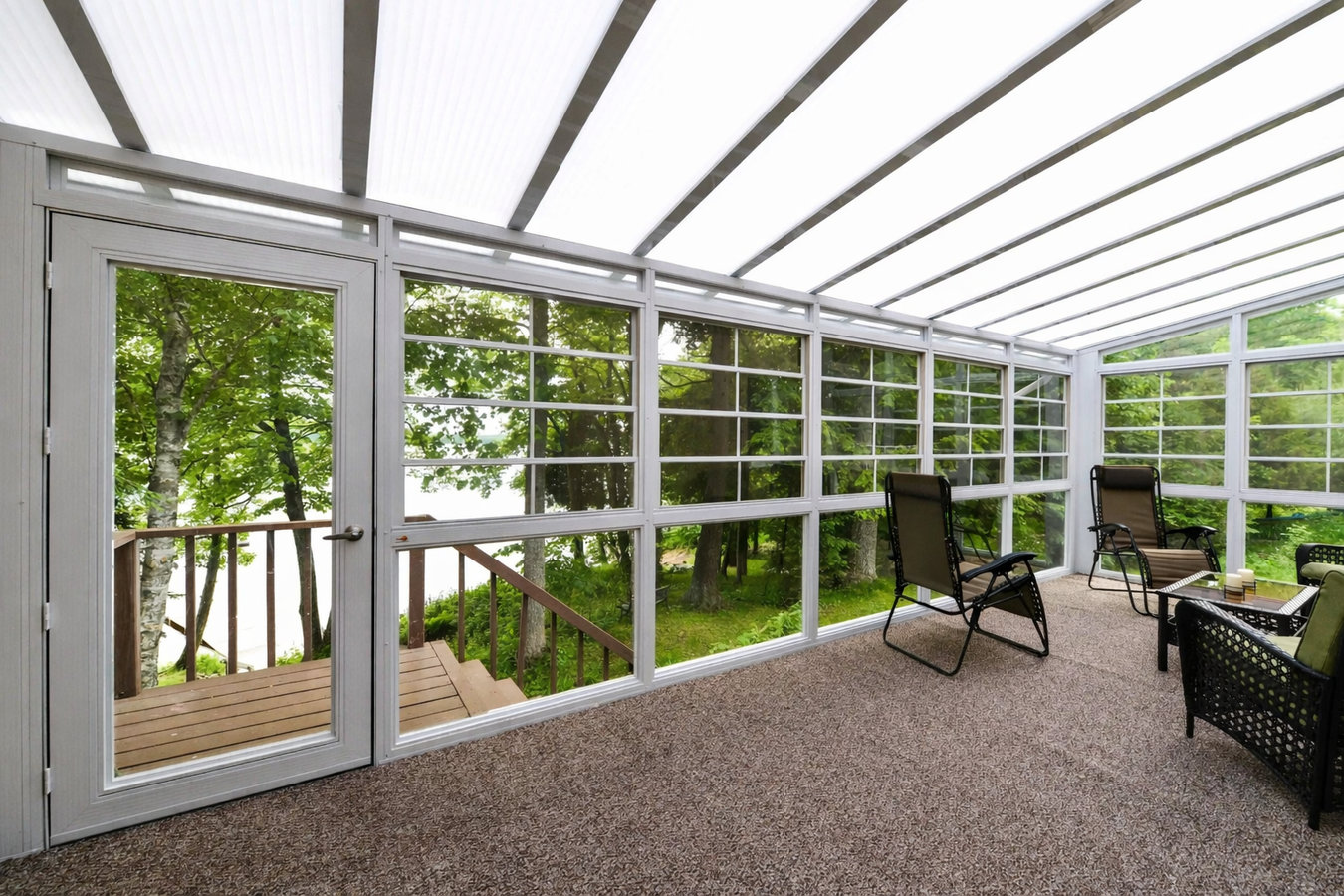
Vinyl frames hold up in St. Cloud's humidity and UV without rusting or repainting. We install fully enclosed sunrooms with heat-blocking glass and county-permitted construction so the room works year-round.
Vinyl sunrooms in St. Cloud are fully enclosed room additions built with vinyl frames - the same durable material used in replacement windows - with insulated glass walls and a weathertight roof. Most installations take three to seven business days of active construction once permits are approved, with the full project running six to twelve weeks from signed contract to finished, inspected room.
In St. Cloud's climate, vinyl outperforms wood and aluminum for one practical reason - it does not rust, rot, or need periodic repainting in the presence of Florida's constant humidity, intense UV exposure, and heavy rain. A wood-framed sunroom in Central Florida will need maintenance every few years; a well-built vinyl frame will not. If you are comparing material choices and want to understand how sunroom design decisions affect comfort and long-term cost, our sunroom additions page covers the full range of addition types and how they fit into different home layouts.
Every vinyl sunroom we install in St. Cloud is built through the full Osceola County permitting process and passes a county final inspection before we close the job. That documentation is on the county record permanently - important for insurance, resale, and any future financing against the property.
If your screen enclosure or open patio becomes unbearable the moment St. Cloud's rainy season kicks in - too hot, too humid, afternoon storms arriving daily - the space is not working. A vinyl sunroom with the right glass lets you sit outside comfortably even during the hottest, rainiest months, which in Central Florida is more than half the year.
Screen enclosures in Central Florida typically last ten to fifteen years before the mesh tears, the frame corrodes, or the structure starts to look worn. If you are already facing a screen replacement, many homeowners find it more sensible to convert to a fully enclosed vinyl sunroom - you get a weathertight room for a fraction more than a full screen re-enclosure.
St. Cloud's proximity to retention ponds and wetland areas makes biting insects a genuine quality-of-life issue, especially at dusk. A fully enclosed vinyl sunroom eliminates this problem entirely - you get the view and the light without the insects. If you have stopped sitting outside in the evenings because of bugs, a sunroom solves that permanently.
Many St. Cloud homes built in the 1990s and 2000s have concrete patio slabs that are still structurally sound. If your slab is level, uncracked, and in good condition, it can often serve as the sunroom floor without modification - eliminating one of the larger costs in the project. If your patio is solid and you keep wishing it were enclosed, you are already closer than you might think.
Our vinyl sunroom installation service covers the complete project - on-site measurement and design consultation, frame and glass selection, slab assessment, Osceola County permit application, structural engineering drawings, HOA submission preparation where applicable, installation, and county final inspection. We do not separate design from installation; the same team that plans the room builds it. For homeowners who are replacing an aging screen enclosure, we also assess what can be salvaged from the existing structure and advise on whether the current slab meets the requirements for the new room. If you want to fully understand the design options before committing to a vinyl frame, our three season sunrooms page walks through the difference between a ventilated room and a fully climate-controlled build - a decision that matters especially in St. Cloud's summer heat.
For homeowners in HOA-governed communities, we prepare the architectural review submission package alongside the county permit application. Many planned communities near Narcoossee Road and the Harmony development have specific requirements about materials, colors, and roof styles. We know these communities and prepare complete, accurate packages the first time - reducing the back-and-forth that causes delays.
Suited for homeowners who want a bug-free, rain-protected space they will use primarily in fall, winter, and spring - with fans for ventilation rather than a full air conditioning connection.
The right choice for year-round use in St. Cloud's climate - fully insulated vinyl frame with heat-blocking glass and a connection to your home's cooling system.
For homeowners replacing an existing screen enclosure - the vinyl sunroom uses the same footprint but becomes a fully weathertight, enclosed room rather than a screened porch.
St. Cloud averages over 230 sunny days per year, and summer temperatures regularly push into the low 90s with humidity that makes it feel hotter. That environment is hard on outdoor structures - wood warps and rots, aluminum frames conduct heat into the room, and anything left exposed to Florida's UV eventually fades or corrodes. Vinyl framing was developed specifically for climates with high moisture and UV, and it is the reason it has become the preferred frame material for sunrooms throughout the Southeast. Beyond the material choice, Florida's statewide building code requires that all room additions meet wind-resistance standards for hurricane exposure - which means your contractor must submit engineering drawings to prove the structure can handle local wind loads. That requirement adds time to the permitting process but is what separates a room built to last from one that fails in the first serious storm. Homeowners in Poinciana and Buenaventura Lakes face the same climate and HOA conditions and are within our regular service area.
St. Cloud has also been one of the fastest-growing cities in Florida over the past decade, and that growth has brought a wave of new contractors into the area - not all of them licensed or familiar with Osceola County's specific permit requirements. Checking a contractor's Florida state license before signing is more important here than it would be in a more established market. The Florida Department of Business and Professional Regulation offers a free online license verification tool, and the Florida Solar Energy Center at UCF publishes research on the glass and insulation choices that actually perform in this climate.
The first call is short. We ask about your approximate space size, whether you have an existing patio slab, and whether your neighborhood has an HOA. This lets us show up to the site visit prepared to give you useful information rather than a generic price range. We respond within one business day to schedule a visit.
We come to your home, measure the space, and look at your roofline, the existing slab, and your lot's drainage. We walk you through design options - vinyl frame styles, glass choices, roof configurations - and explain what each choice means for comfort and cost in St. Cloud's climate. You leave the visit with a realistic price range before committing to anything.
Once you sign a contract, we submit the Osceola County permit application and prepare your HOA submission at the same time. Running both processes in parallel saves weeks. Permit approval typically takes three to six weeks - we track the status and update you throughout so you are never left wondering.
Most vinyl sunroom installations run three to seven business days on site. When construction is done, we schedule the county final inspection. Once it passes, we walk through the finished room with you - showing you how the doors and windows operate and what to watch for in the first rainy season. Permit documentation is handed over before we leave.
Free on-site consultation. No pressure, no obligation. We handle permits and HOA submissions so you do not have to.
(689) 214-9067We handle the permit application, plan review coordination, and final inspection scheduling on every project. The room is officially documented on the county record before we consider the job complete. That paper trail matters when you sell, file a storm insurance claim, or want the addition counted in your home's square footage.
Vinyl frames do not rust, rot, or need periodic repainting in St. Cloud's combination of humidity, UV intensity, and frequent rain. We specify vinyl framing systems that have been used in Florida's coastal and inland climate for years - not materials that look good on a showroom floor but degrade quickly in real-world Central Florida conditions.
We include low-emissivity glass in every vinyl sunroom we build in St. Cloud - not as an upgrade but as the baseline. Standard glass turns a sunroom into a greenhouse from May through September in this climate. The Florida Solar Energy Center at UCF has confirmed the difference this glass type makes in Florida homes. You should not have to ask for it; we should be building it in from the start.
Many St. Cloud neighborhoods - particularly communities near Narcoossee Road and developments like Harmony - have active HOAs with architectural review requirements. We prepare the drawings and submission package your review board needs and time the HOA application to run at the same time as the county permit. That coordination alone can save three to four weeks on your overall project timeline.
Every vinyl sunroom we build in St. Cloud is permitted, inspected, and finished with glass that actually performs in Florida's heat. That combination means you get a room you can use year-round and a documented addition that adds value rather than complications when you sell.
A broader look at sunroom addition options - comparing vinyl, aluminum, and custom frame materials for homeowners still weighing which build type fits their home.
Learn MoreFor homeowners who want a bug-free and rain-protected space without a full climate-control connection - a more affordable option for St. Cloud's fall and winter months.
Learn MorePermit slots in Osceola County fill up during busy construction seasons. Reach out now to lock in your project and start using your backyard again before next summer.